Nature~Human (2022–23)
Nature~Human examines the relationship humans have with nature, observing its presence in human-centric environments and where plant life flourishes with less intervention.
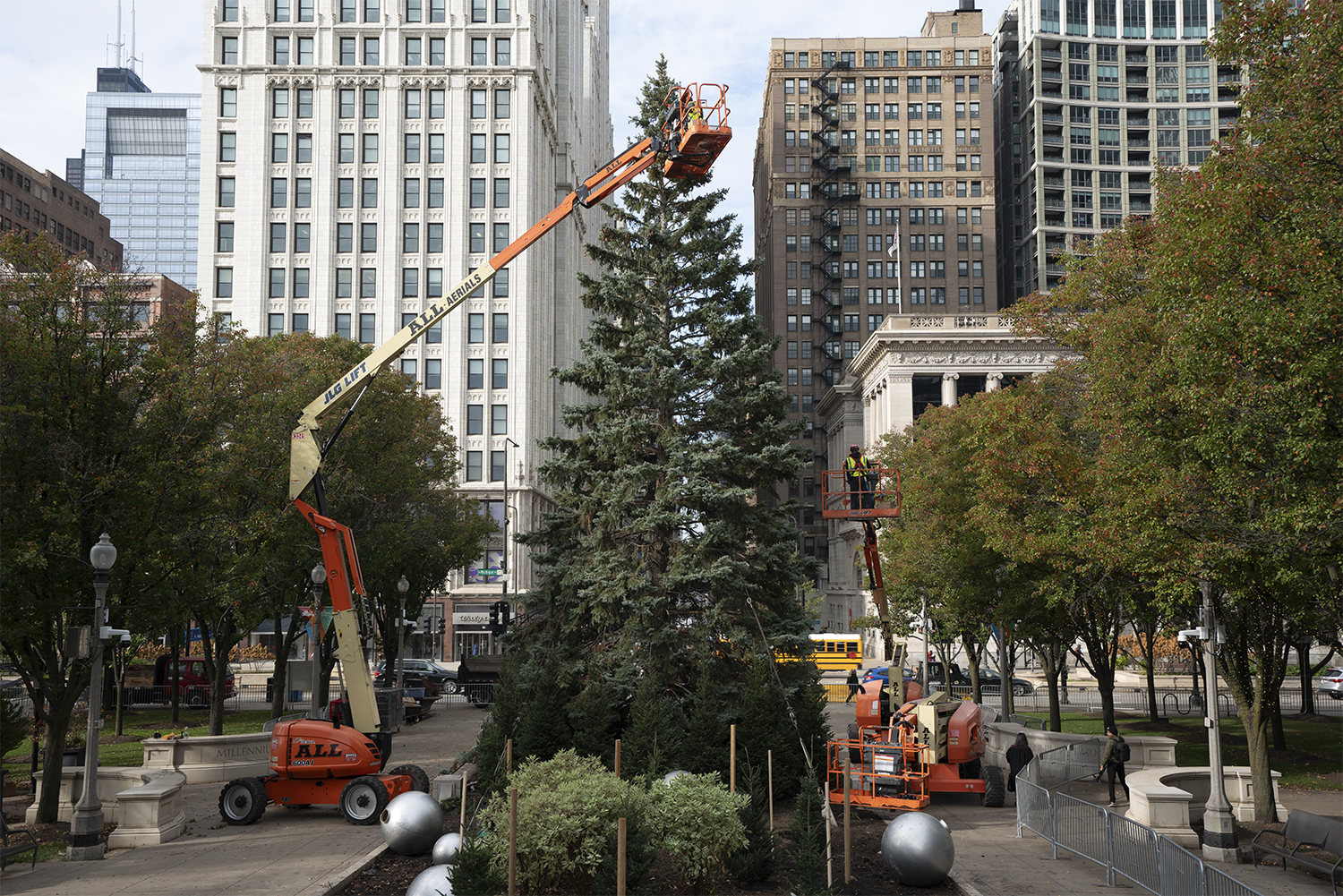
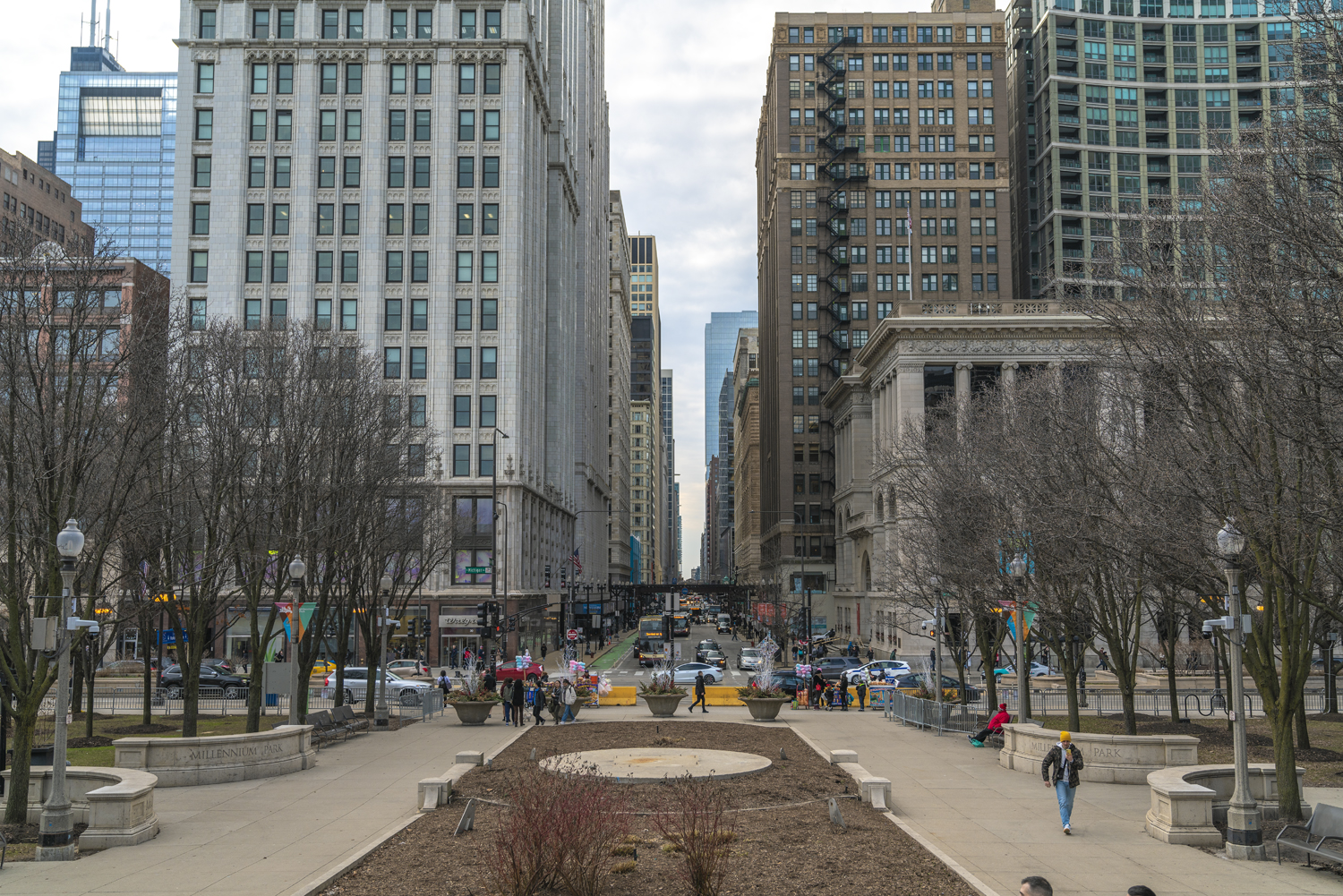
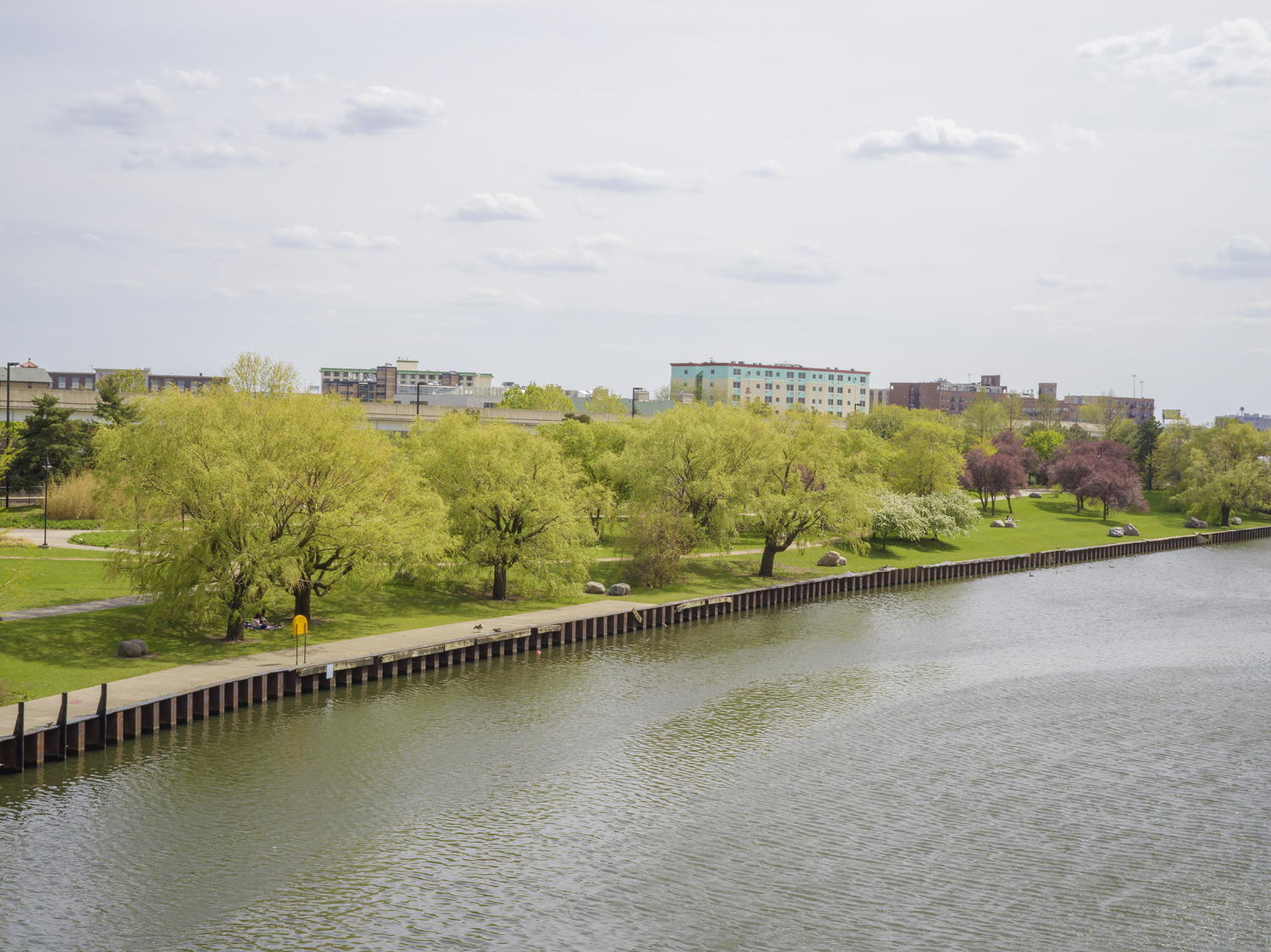
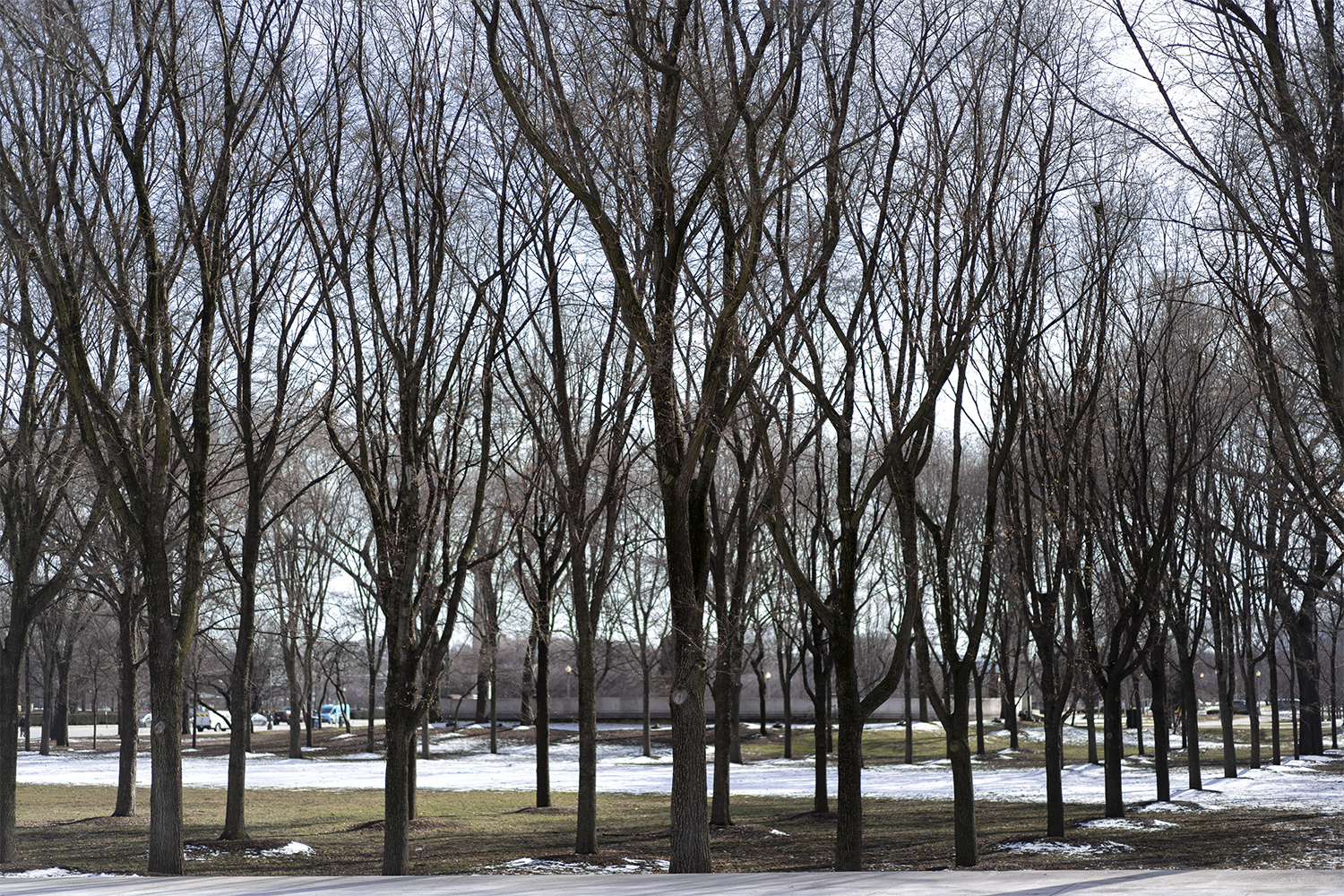
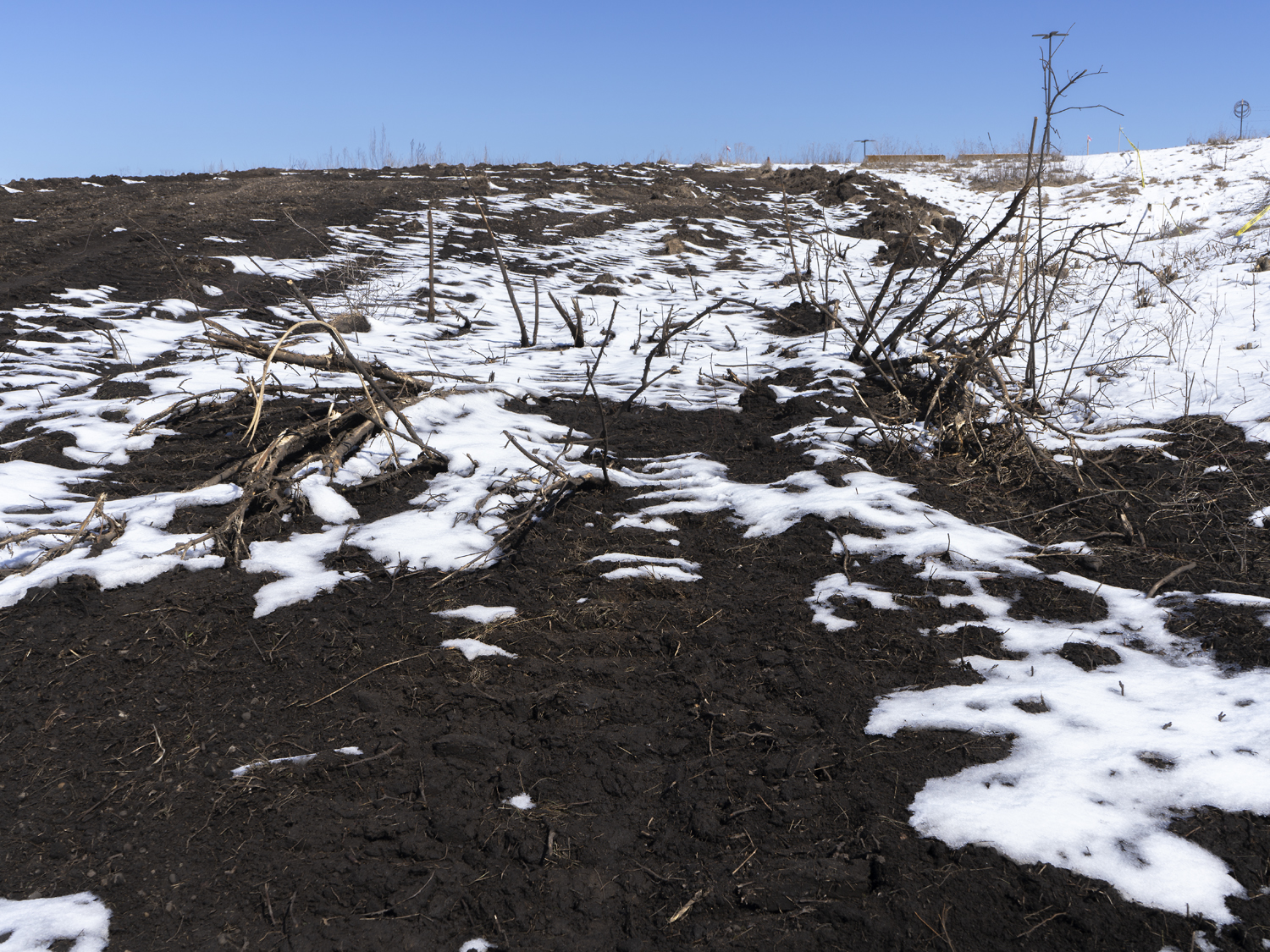
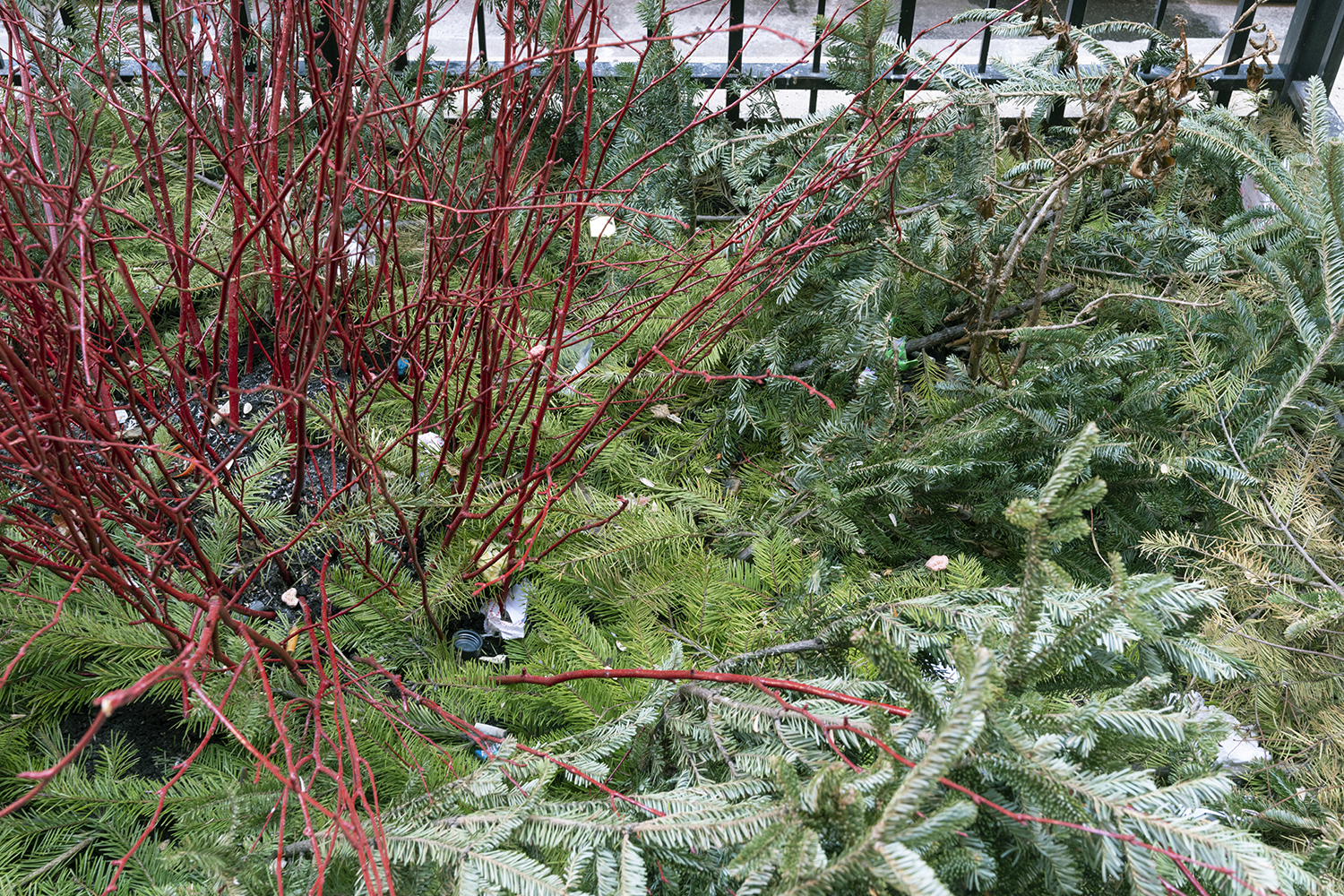
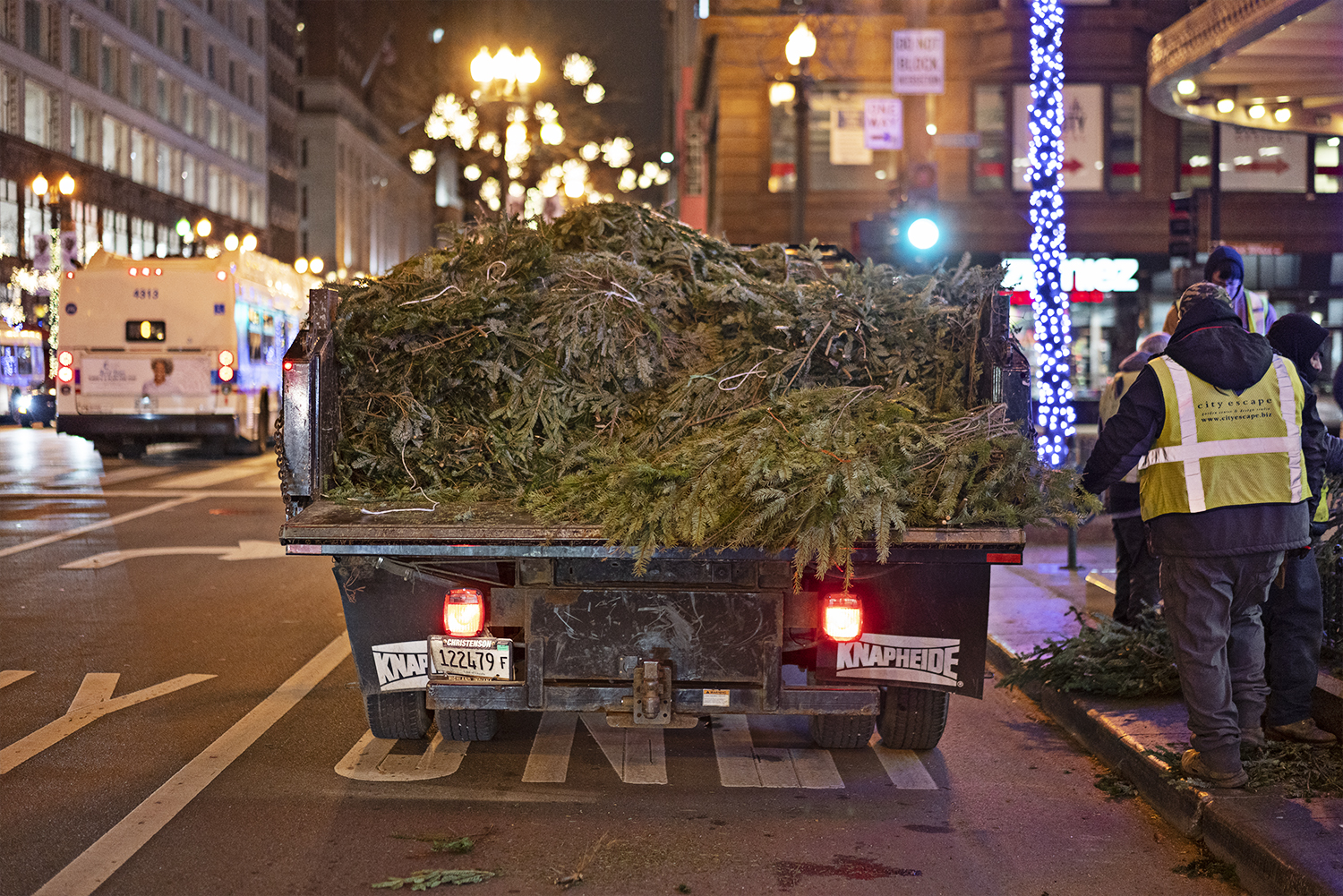
“Nature~Human” originated from my encounter with a caterpillar outbreak while I stayed in Connecticut. The pervasive presence of caterpillars made me realize about my disconnection from nature and my obliviousness to its natural course. How was one supposed to know and care about this kind of outbreak if they don’t live in it? This realization led to a broader inquiry into how individuals can empathize with and appreciate nature when it is not a part of their daily lives. With this in mind, I sought to investigate the presence of nature in my daily life within the city of Chicago.
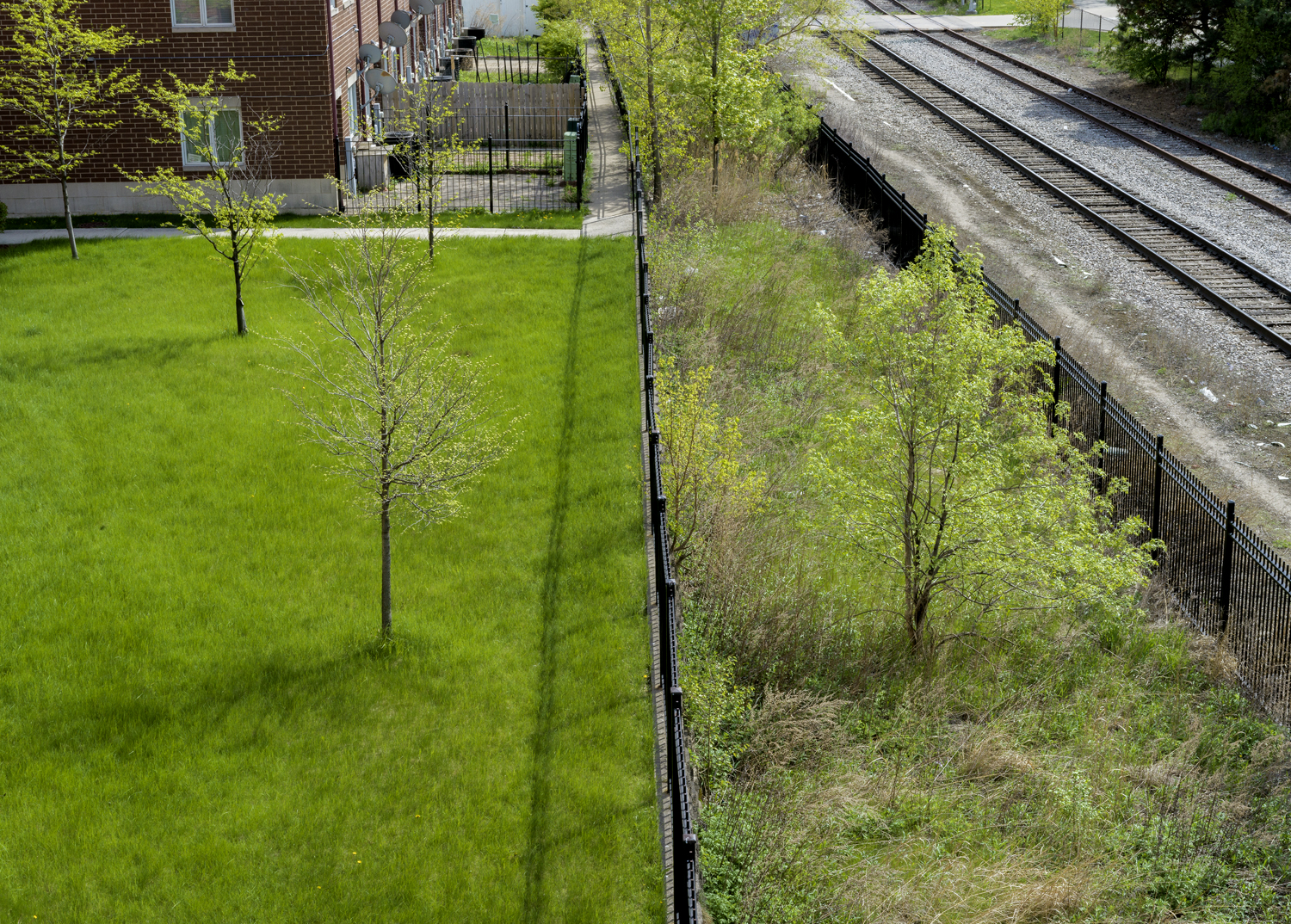
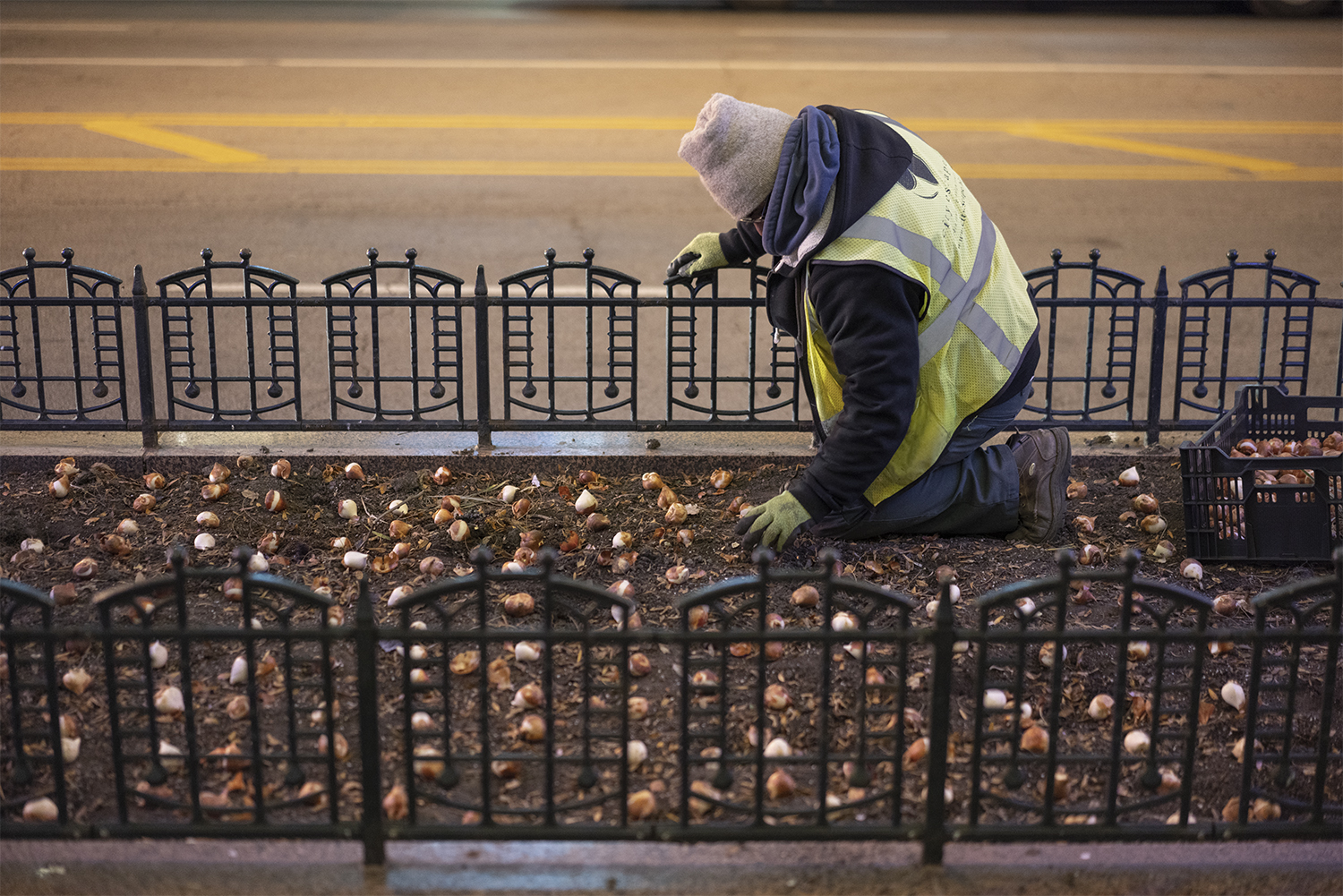
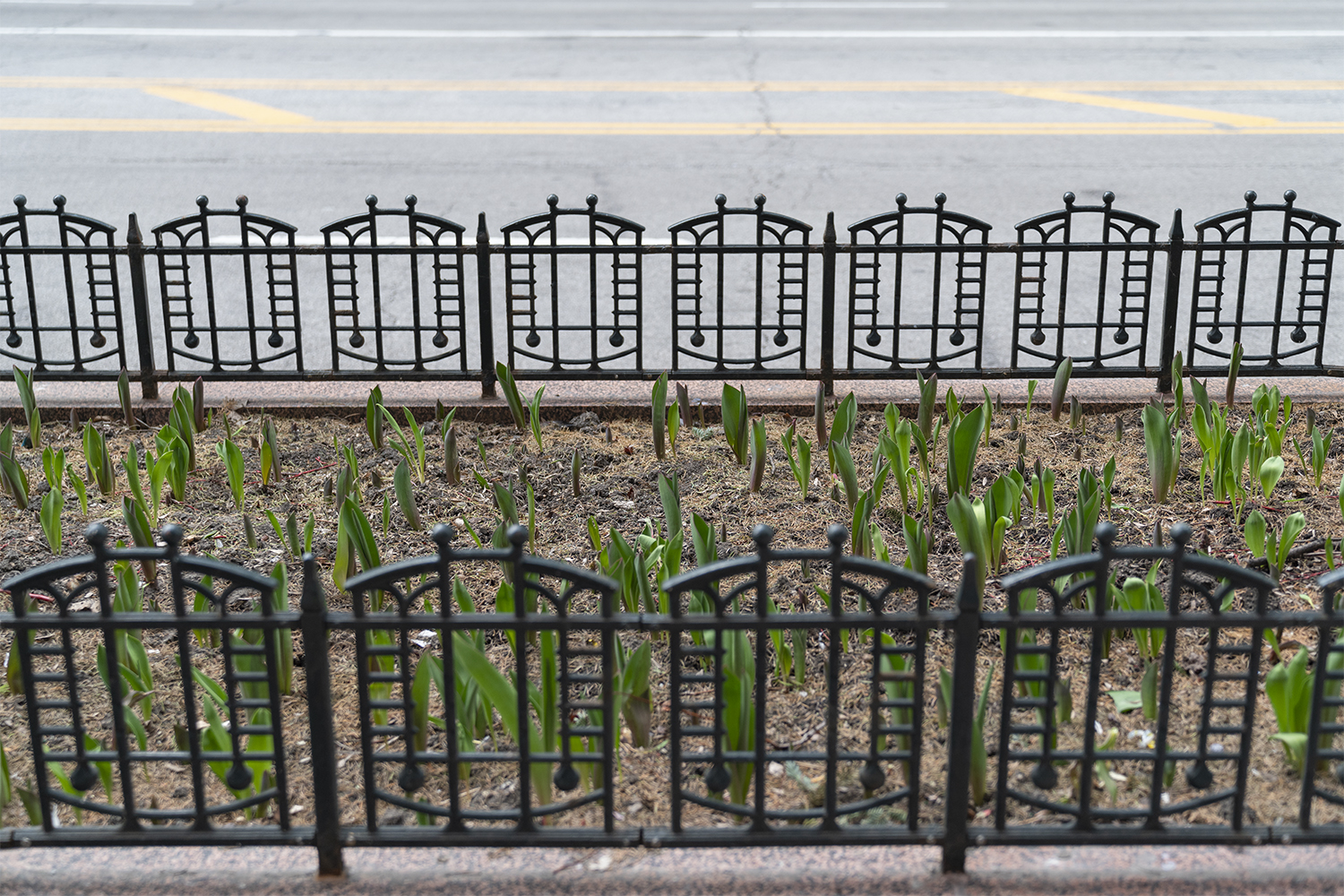
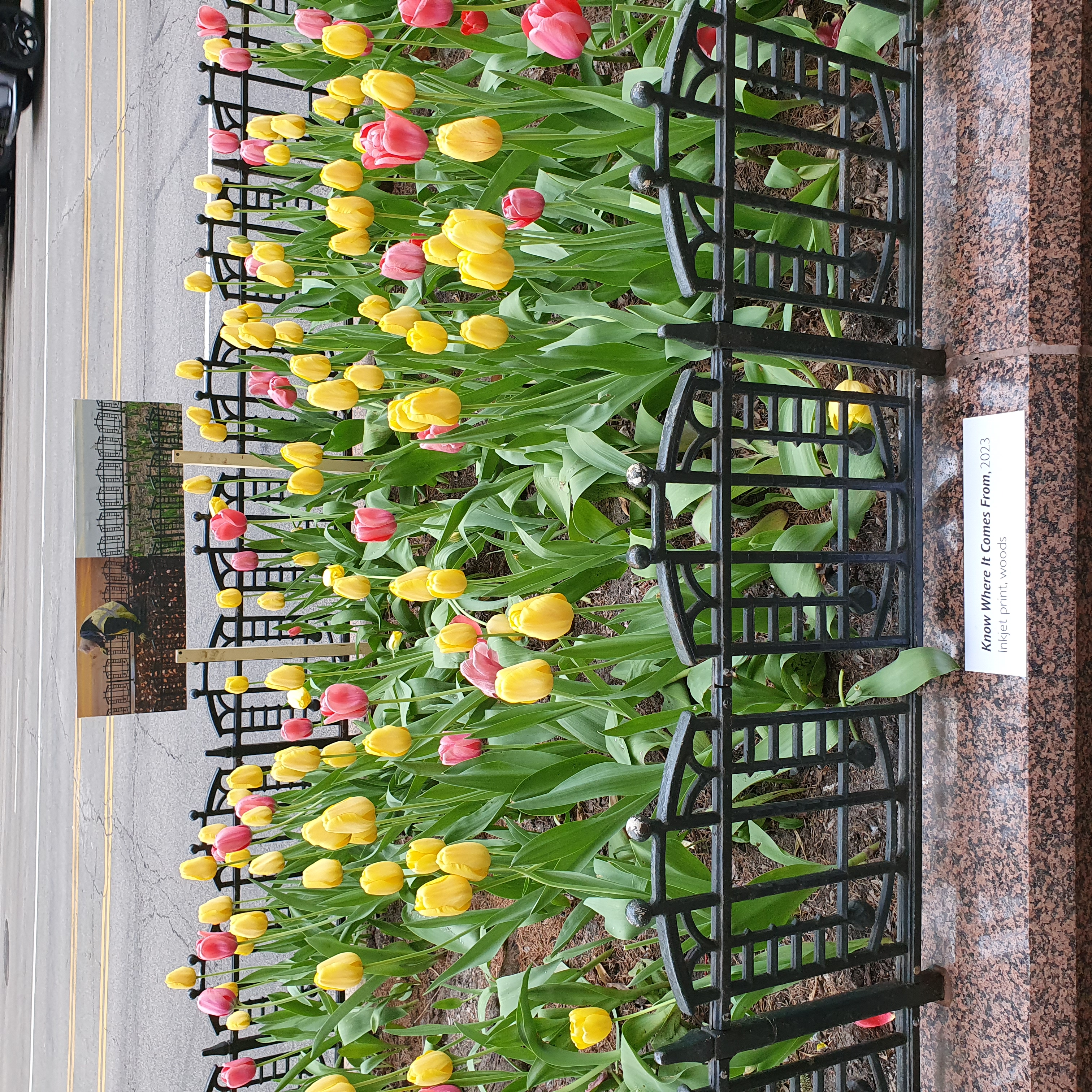
What became evident during and after making images for this project was the distinct contrast between spaces depend on how heavily nature is disrupted by human activity. These areas are clearly demarcated by borders, often designated as “Forest Reserves” where nature is protected and allowed to follow its natural course. Even in small patches of land between city buildings, where nature is introduced, it is enclosed by fences or shaped into squares or rectangles. These plants, often non-native, are removed at the end of each “season”, becoming entirely dependent on human intervention.
The aesthetics of these plants also vary significantly based on their location. In human centric spaces, they are organized, divided, flashy, covered in trash, and meticulously groomed. In areas abundant with plants, they appear messy, intertwined, subtle, slow, and entangled with one another. This disparity prompted me to question whether the nature in our city adheres to a prescribed code of beauty.